
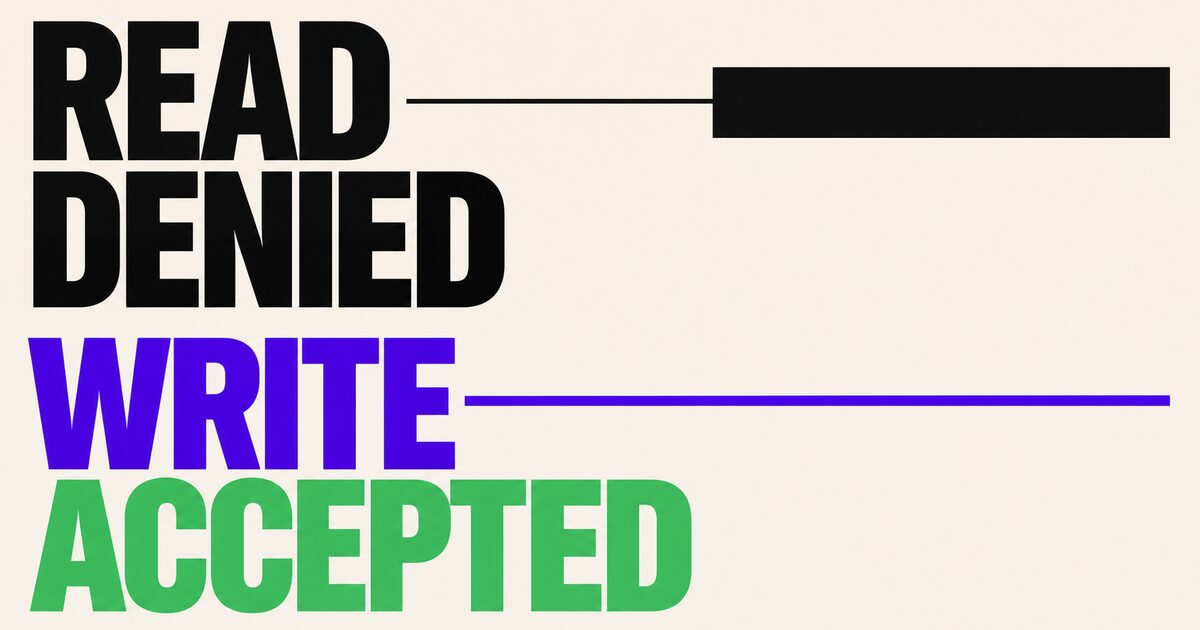
The One Good ID That Authorized the Whole Batch
A foreign page was denied alone, but one owned page caused the mixed batch to copy, move, or delete both controlled objects.
Read the article8 min read
Nineteen articles on finding, validating, explaining, and repairing security failures: nine anonymized field notes and ten original research pieces in one archive.
Search by vulnerability, boundary,
tool, or testing method.
Showing 19 articles
A foreign page was denied alone, but one owned page caused the mixed batch to copy, move, or delete both controlled objects.

A draft AI agent accepted a local process-backed MCP configuration and returned a controlled runtime marker from a server-side root process.

A direct foreign read was denied, but the background export accepted the same object and returned the controlled file.

A file-import workflow fetched a researcher-controlled URL and returned the exact harmless response bytes as a stored asset.
An unrelated account could not open a draft, yet its edits still appeared in the owner's view. The stored change established the finding.

Two anonymous sessions began separately. An edit in one then appeared in the other because navigation state selected the cart.

The origin denied an anonymous request, but a shared delivery layer returned the controlled account page anyway.

A public form helper answered questions about stored data that an anonymous visitor should not have been able to choose.

Required evidence was missing, yet the server recorded the controlled case as submitted. The result did not prove approval.

The approach used to identify unclaimed package names and test a dependency confusion hypothesis.

A first-hand account of the research and coordinated disclosure behind CVE-2020-28726 in SeedDMS.

Seven early bug bounty cases spanning session management, CSRF, open redirects, IDOR, and password reset behavior.

A first XSS finding, the parameter-discovery path that led to it, and the lessons taken from validation.

A plain-English exploration of Content-Length, Transfer-Encoding, CL.TE, TE.CL, and protocol ambiguity.

A disabled client-side field exposed a missing server-side validation rule and led to a valid report.

A testing playbook assembled from public reports, response splitting, XSS chains, open redirects, and payload behavior.

Practical Bash workflows for reconnaissance, subdomain enumeration, takeover checks, CORS testing, and repeatable automation.

Patterns and tools used to identify exposed API keys in JavaScript, application assets, and public sources.
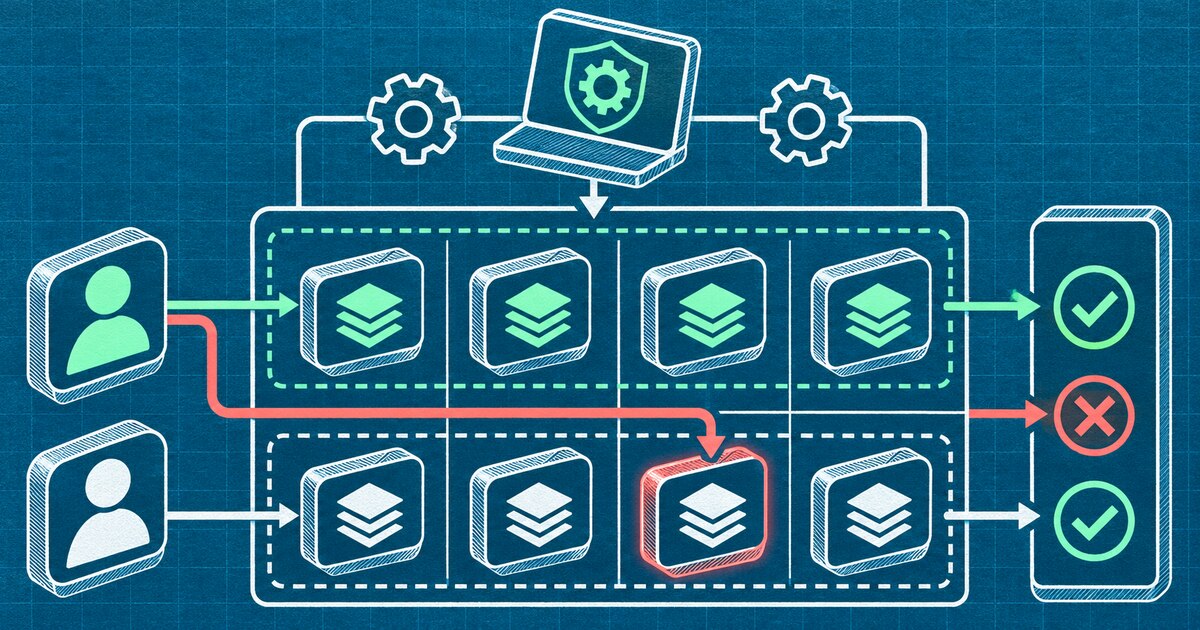
A Burp Suite workflow using Autorize and AutoRepeater to compare access decisions and replace identifiers.
Try a broader search or reset the filters to see all 19 articles.
Planning an assessment or reviewing a report?
Explore our practical guidesWe test web applications, APIs, and SaaS products, including roles, shared data, and the workflows your customers use. Tell us what you're building and when you need it tested.