
Hello,
During the lockdown, I spent much of my time building my HackerOne reputation and working on other projects.
In this article, I'll explain the methodology I used to find multiple vulnerabilities on one of my first targets without relying on automated tools.

I won't disclose the company because this was a private program, so I'll refer to it as shopping.com throughout the article because it was a shopping website.
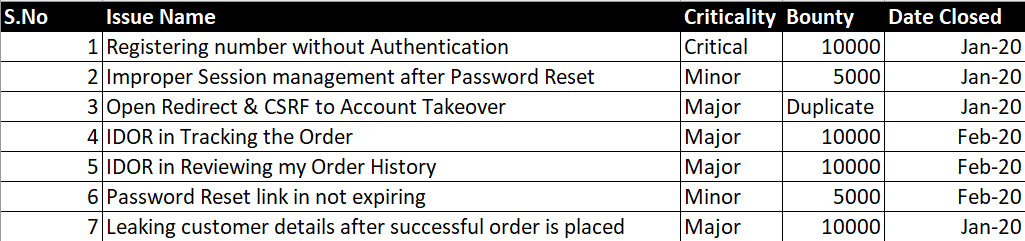
Case Study Index
This was the first target from which I received a bounty, so it remains a special one. I continued testing the target, reported more vulnerabilities, and received additional bounties.
Case Study: 1
(Registering number without Authentication)
Here is the blog which I wrote earlier this year about this:
How Inspect Element Got me a Bounty
Case Study: 2
(Improper Session management after Password Reset)
For this case, I logged the same account into two browsers. I changed the password in one browser, then successfully made edits from the second browser. This demonstrated an improper session management flaw of minor severity.
Case Study: 3
(Open Redirect and CSRF to Account Takeover)
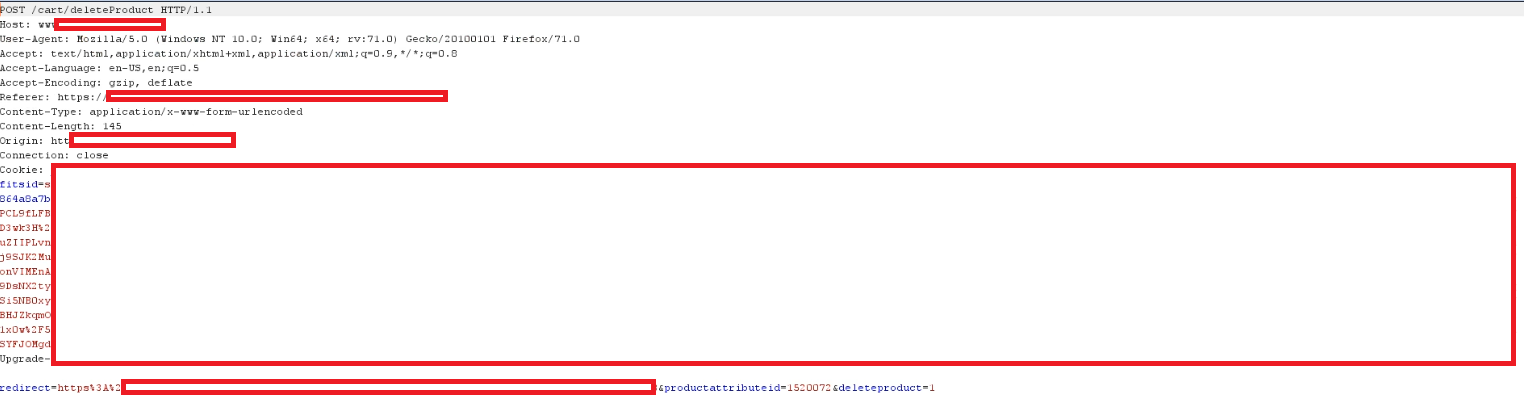
Here the Case was a bit different, I Observed when I delete something from my Cart a POST request is sent in which there was a redirect parameter in the Request body, I quickly changed the Parameter value to my server and it redirected to my server and the Interesting thing was It came with the User Cookies.
I Converted it into a CSRF POC via Burp suite and made a request with a different account and I was successful to redirect the victim to the attacker's website and stealing their cookies
Case Study: 4
(IDOR in Tracking Order)
So on this shopping.com website, a "Track my Order" option became available after an order was placed. A user could track an order with its order ID. If an attacker knew the victim's phone number, they could use Burp Suite Intruder to brute-force an order number and retrieve order details, including the victim's address and other personal information.
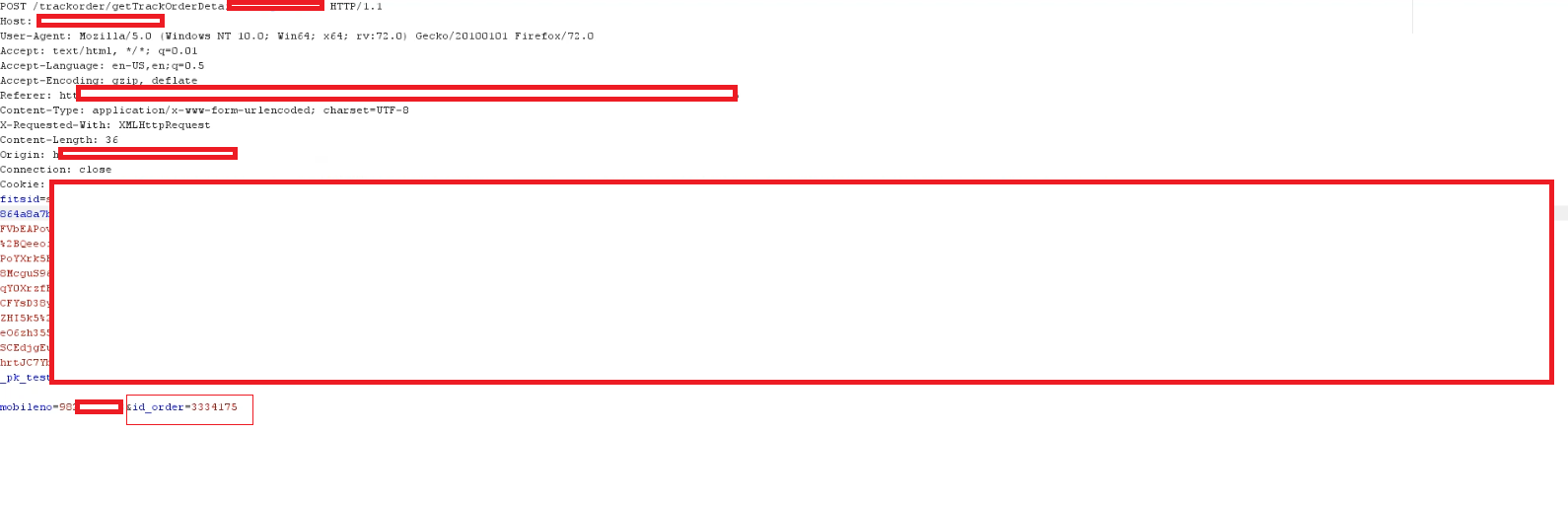
Here I bruteforced the id_order parameter with my other account's mobile number and got all the orders placed by the second account.
Case Study: 5
(IDOR in Reviewing my Order History)
A special note: these features became available only after I made a purchase on shopping.com.
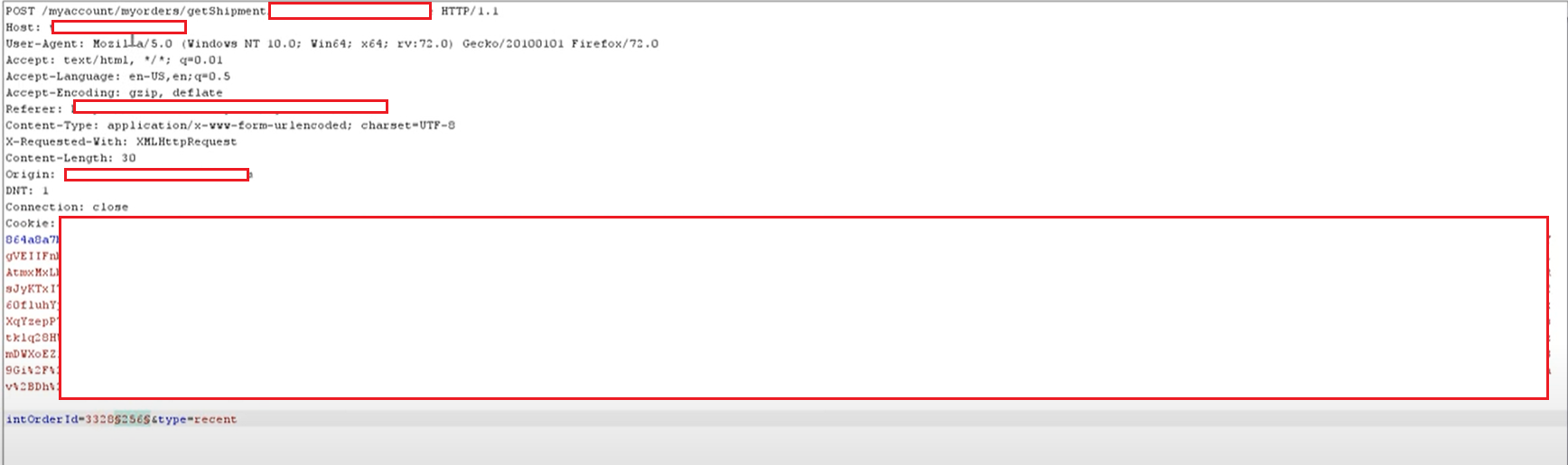
Here the Case was pretty simple, I went into my "My Orders" page and when I click on my order it refreshes the page and shows the ordered product, I intercepted the Request and again clicked on the ordered product & to my surprise, there was again an "intOrderId" parameter in the Request body, I quickly sent it into Burp intruder and Guess what I have multiple order details leaking PII of their Customer
Case Study: 6
(Password reset link not expiring)
Well, it was also a minor bug and it was quite simple too. For reference, I'm posting a Hackerone report which will give you an Idea (Also it may vary from program to program)
Shopify disclosed on HackerOne: Password reset link not expired at...
Case Study: 7
(Leaking customer details after a successful order is placed)
Again this Issue was also found after making a successful order, Here when I placed an order the URL was something like this "https://www.shopping.com/orderconfirm?secretkey=<some-key>&orderid=<order-id>"
I changed the order in decreasing order and PII starts disclosing which included name, address, phone number, and Mode of payment done.
Takeaways:
My takeaway was to stay with a target long enough to understand it, become comfortable with its workflows, and avoid rushing. If the program rules allow a test purchase, completing the full workflow may reveal additional attack surface.
That's all for this blog. Hope you liked it.
Connect with me on LinkedIn, Twitter
If this article helped, share it with another researcher who might find it useful.
From research to a scoped assessment.
Explore Current penetration testing guides or browse the full Bug Bounty Archive for more evidence-focused research.
Research topics: pentesting / bug-bounty / infosec / hacking / hetroublemaker