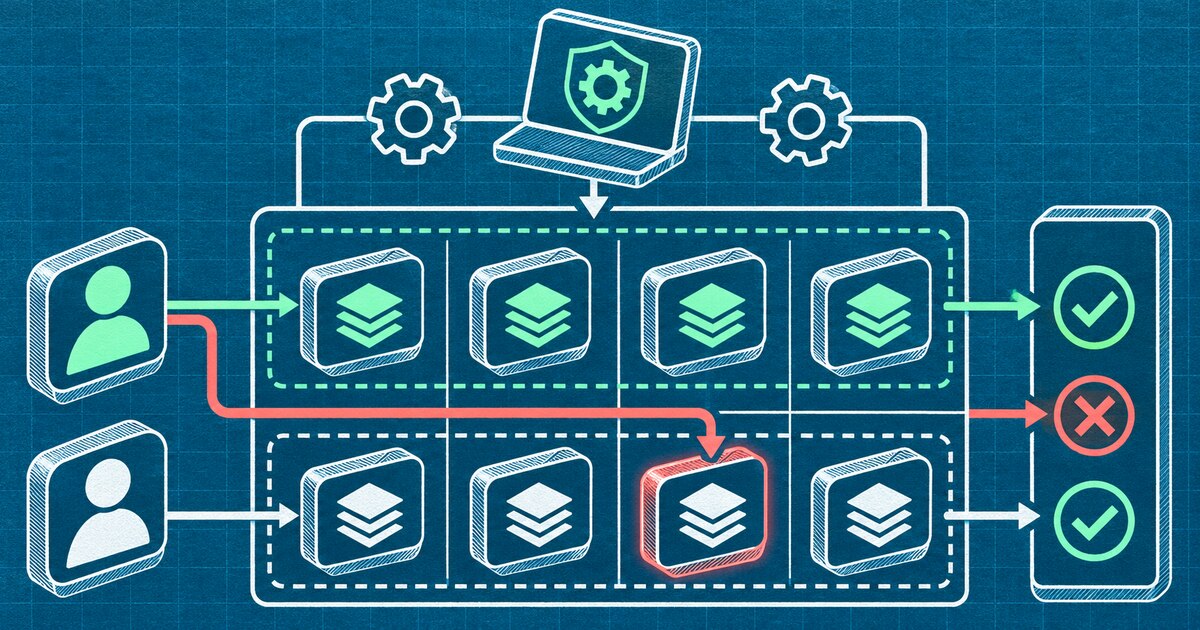
Hello hunters. In this article, I'll show you how to set up Autorize and AutoRepeater for IDOR testing in Burp Suite. First, let's define IDOR.

What is Insecure Direct Object Reference?
The fourth one on the list is Insecure Direct Object Reference, also called IDOR. It refers to when a reference to an internal implementation object, such as a file or database key, is exposed to users without any other access control. In such cases, the attacker can manipulate those references to get access to unauthorized data.
for more: blog.detectify.com
Now, Let's begin the Hacking!
You can install Autorize and AutoRepeater from the BApp Store in the Extender tab.
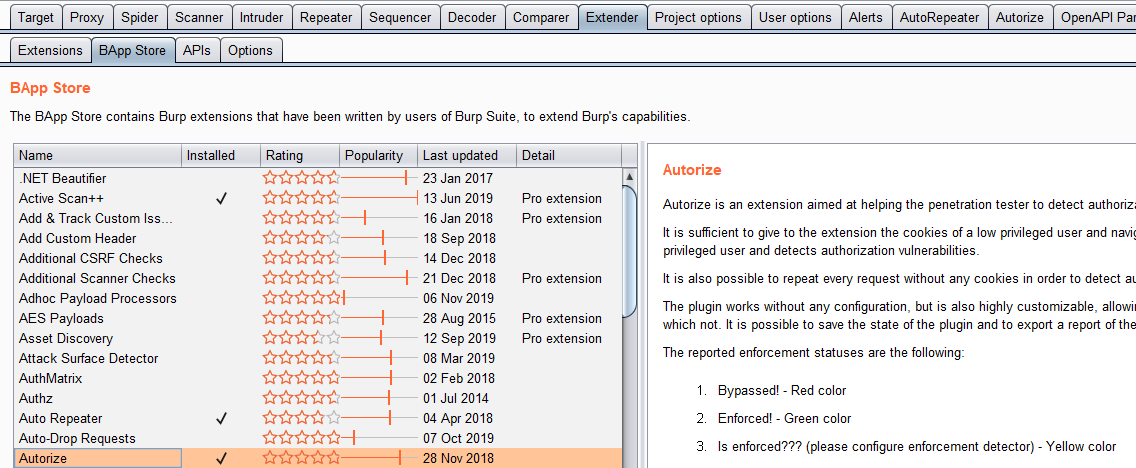
For more information about the tools, see their GitHub repositories.
Autorize sends a matching request with a different session cookie or another authorization header for comparison.
So, let's see how it works...
USER A - Admin
USER B - Normal User
Browse the Web App with User A and Add the cookie of User B in the autorize so that it can browse with the User B account automatically.
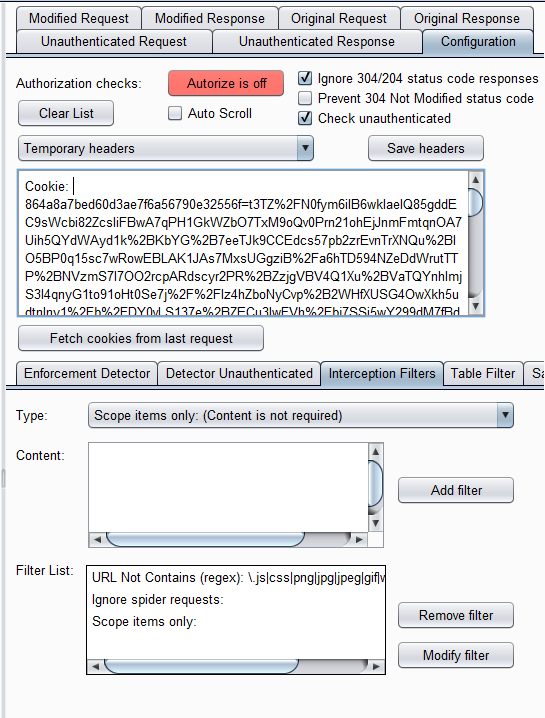
Add a scope filter to keep the results focused and reduce unrelated traffic.
Turn on Autorize and browse the web application as User A; requests will begin flowing through the extension.

As shown above, I added User B's cookie and browsed the web application as User A. When the original and modified responses have the same length and both return 200 OK, there may be an IDOR.
If the modified request returns 403 Forbidden, there is no IDOR in that request, so it is a no-go.
Just browse through the WebApp and try each and every Functionality which has Admin privileges and can't be accessed by Normal User, if you get 200 Ok on that request it's an IDOR Vulnerability.
So Auditing the Request is upto you.
Now, How to Play Smart and Not to Work More.
Just Check the previous parameter on which requests have been sent and you didn't find them vulnerable.
Go to the HTTP History tab in the Proxy Section and put the previous request out of scope. So now when you will crawl the web app, those parameters will not be listed in the Autorize section. So now, each request is a new Request.
Taking care of yourself is good...
Playing with Autorepeater
GitHub - nccgroup/AutoRepeater: Automated HTTP Request Repeating With Burp Suite
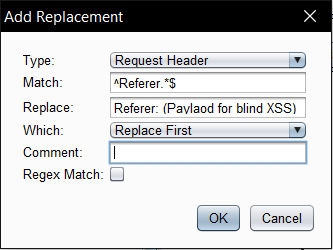
AutoRepeater is a more configurable companion to Autorize for precise, targeted replacements.
Example - uuid, suid, uid, etc.
Changing a user's UUID manually for every request can be tedious.
Combining the two can test functionality both within a tenant and across tenants.
~@Regala_

In the above image by clicking on Add under Replacement you can add the request string to change with your required replace string and also select replace all and click OK.
It can also be used to change other Requests like:
- User = Admin
- False = True
- JSON = XML
Best of luck everyone. Keep-Hacking!
Feedback and corrections are welcome.
If this article helped, share it with another researcher who might find it useful.
Reference
https://www.youtube.com/watch?v=3K1-a7dnA60&t=357s
Thanks to Stok for making an Amazing tutorial video with Fisher
From research to a scoped assessment.
Explore API penetration testing or browse the full Bug Bounty Archive for more evidence-focused research.
Research topics: hacking / burpsuite / idor / bug-bounty / hetroublemaker